Illegal dumping will undo City’s winter preparation work
17 May 2023
The City of Cape Town’s Mayoral Committee Member for Urban Mobility,
Councillor Rob Quintas, yesterday joined the Road Infrastructure Management
(RIM) Department teams in Newlands, Imizamo Yethu and Masiphumelele to oversee
some of their clean-up operations. The work included catch pit cleaning, pond
cleaning and the cleaning of pipes which form part of the directorate’s annual
Winter Preparation Programme to mitigate potential flood risks in Cape Town.
The City of Cape Town's RIM department plays a crucial role all year round in maintaining the road's stormwater assets. This time of year, the department's focus shifts to ramping up their cleaning efforts with the annual Winter Preparation Programme.
This programme has been implemented over the past 11 months in various areas that are prone to flooding, or have been identified as illegal dumping hot spots. The cleaning of pipes, catch pits, wet and dry ponds and canals is under way with the teams completing the remainder of the work over the next six weeks.
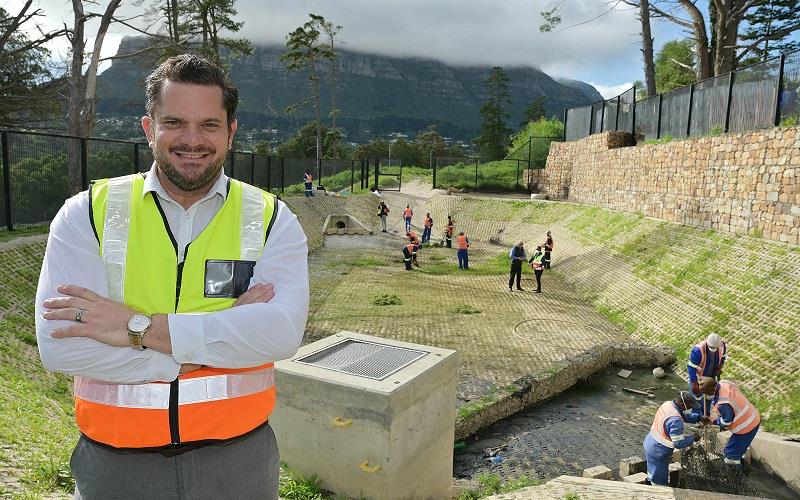
The cleaning interventions include:
- Catch pit cleaning
- Pond cleaning where weeds, reeds and large amounts of illegally dumped waste is removed from the City's dry and wet ponds to ensure that the in-and-outlets of the ponds are not restricted. In many areas these ponds are mostly used for illegal dumping and are prone to flooding due to this system abuse
- Stormwater pipeline cleaning where mechanical cleaning is used. A bucket is pulled through a pipeline to collect and remove debris or through JETVAC, where water is pushed through the blocked system by means of high pressure
- Canal cleaning – the cleaning of concrete-lined and unlined canals/channels generally where litter, weeds, reeds and other vegetation are removed
- Hot spot and low-lying areas prone to flooding are monitored and inspected prior to, during and after every major rain event
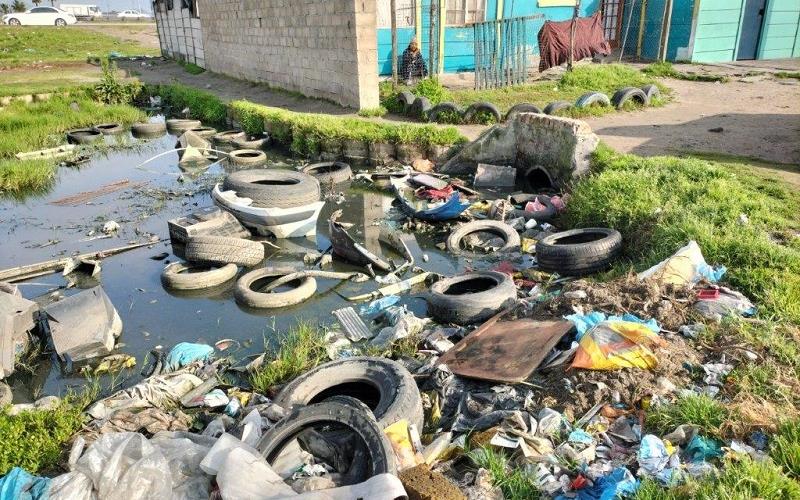
'Teams from the City's Roads and Infrastructure Management depots are targeting the areas that are worst affected by extensive illegal dumping and the blocking of stormwater drains. We have tried to reach as many of these areas as possible ahead of the winter rains. I am pleading with the public to refrain from dumping illegally. The depots have found everything from televisions, building rubble, bags of sand, tyres to actual manhole covers in the system. The illegal and irresponsible disposal of cooking oil, grease and fats into our stormwater system results in a hard sludge which acts as a cork, blocking up critical drainage and causing flooding and misery for surrounding residents.
'Illegal dumping is still the number one reason why our stormwater system cannot cope after heavy rains which leads to so many of these areas becoming waterlogged each year. We have completed most of the planned clean up operations ahead of winter now, but I have been told that in some areas communities have already started dumping in the storm water infrastructure a day after cleaning operations were initiated. This is very disheartening and needs to stop. I am appealing to our residents to please refrain from depositing anything into our stormwater system,' said the City's Mayoral Committee member for Urban Mobility, Councillor Rob Quintas.
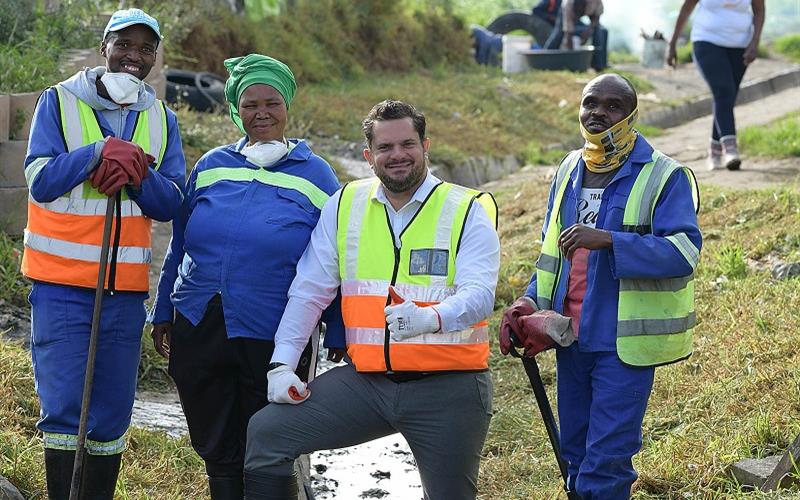
An example of the havoc that just one blocked pipe can cause is when a one metre diameter pipe along Robert Sobukwe Road was completely blocked with a vandalised manhole cover, building rubble and plastic . This resulted in flooding on this dual carriageway which eventually required two jet machines to break this blockage over seven days. The water build up has subsequently drained away and the teams will now remove the remaining rubble with a bucket machine.
In most of the problem areas catch pits are being used as storage facilities for items like clothing and bedding; this causes havoc in the system once the heavy rains start.
During one of the Winter Preparation interventions at Lagoon Beach in Milnerton the local depot team even had to remove a paddle ski from one of the stormwater pipes, where stormwater discharges into the Diep River.
The dumping of solid waste around and into stormwater infrastructure, as well as illegal sewage connections remain some of City's biggest challenges. The misuse and abuse of the stormwater networks is detrimental to the successful functioning of the drainage networks. This is the main cause of flooding, especially in the higher populated areas such as Joe Slovo and Dunoon.
The RIM department goes to great lengths to coordinate resources and work schedules to ensure that all these hot spots across the districts are attended to and continuously monitored.
Although cleaning will remain ongoing below are some of the areas which the remainder of the Winter Preparation operations will focus on within the eight districts:
Langa; Sea Point; Woodstock; Salt River; Foreshore and lower lying areas of Cape Town CBD; Observatory Ysterplaat and Pinelands
Tygerhof; Rugby; Brooklyn; Sandrift; Milnerton; Joe Slovo and Atlantis
Northpine; Scottsville; Wallacedene; Bloekombos; Stellenberg and Sonstraal
Browns Farm; Samora Machel; Philippi Industria; Kosovo; Joe Slovo; Kuyasa; Makhaza; Beacon Valley and Mitchells Plain
Grassy Park; Lotus River; Lansdowne; Parkwood; Pelican Park; Ottery; Wetton; Youngsfield; Zeekoevlei; Ottery; Seawinds and Gugulethu
Hout Bay; Kenilworth; Meadowridge; Retreat; Rondebosh; Steenberg; Wynberg; Muizenberg and Masiphumelele
Kalkfontein; Sarepta; Saxenburg Park and Eerste River
Bonteheuwel; Delft; Goodwood; Vasco; N1City; Richmond; Boston; Belhar; Bellville CBD; N2 Gateway precinct; The Hague; Bishop Lavis; Matroosfontein; Bellville South; Glenhaven; Clarkes Estate; Durbanville and Brackenfell
'Most of our depots are on schedule to complete the cleaning of all the identified locations over the next few weeks. Still, I am very concerned by the fact that our staff have not been able to start work as planned in certain areas as a result of the local residents not cooperating with the workers and not allowing work to take place. This sort of interference has caused delays in critical areas and will have an impact on those communities once the heavy rains commence and their roads become water logged for long periods. I ask that residents please allow the City to carry out these important cleaning operations. Curbing service delivery in the areas that need it most does such an injustice to these communities as a whole,' said Councillor Quintas.
Residents can use the following channels to report transport and road related issues:
- Transport Information Centre (TIC) on 080 065 6463. This is a 24/7 information centre and free from a landline or a cell phone
- Send an email to Transport.Info@capetown.gov.za
- Residents are reminded to please include their name, contact number and the exact location of the blocked stormwater infrastructure. It is very important to ensure that the details of the location are 100% correct as this will improve our response time. We want to thank our residents for working with us.
End
Published by:
City of Cape Town, Media Office